Fa White 1 Line 1 Out Trans

Get in touch

Contact Us
First
Last

Let's talk

*Please note that we can only take instruction via a Barrister or Solicitor, we do not take instruction directly from private individuals.

We are always interested in talking to experienced forensic scientists with a minimum of 5 years of forensic science work who are interested in working as Consultants to undertake ad-hoc work for us.

Call us

01235 774870

Email us

science@forensic-access.co.uk
Q
Home » Training » Searching for Human Remains

Searching for Human Remains

4 Days

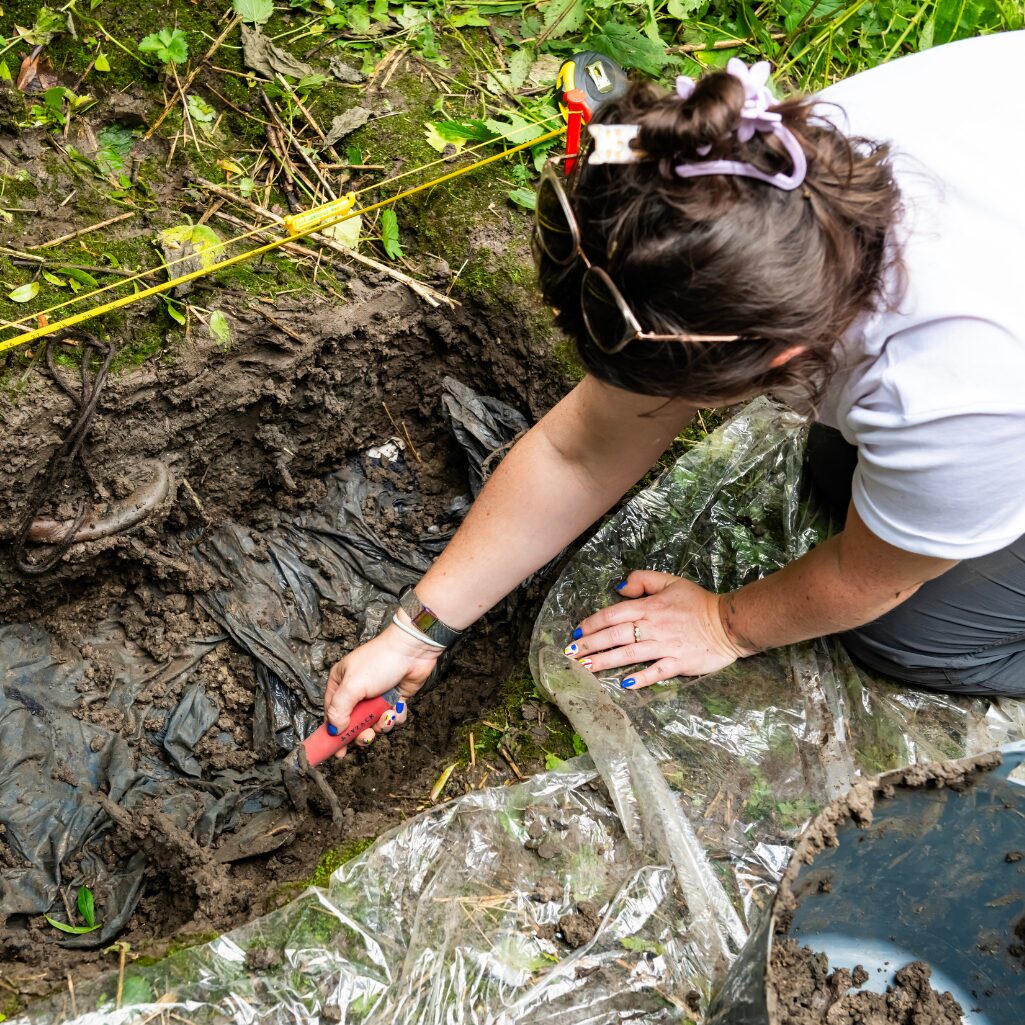
Searching for Human Remains: Archaeological Search Techniques and Bone Identification course is designed to provide delegates with knowledge of:

  • A range of archaeological search techniques, which can be used to locate buried evidence
  • Geophysical survey methods most commonly used to detect buried human remains and evidence
  • Mapping and recording techniques
  • Stages of body decomposition and factors influencing the preservation of remains
  • How to distinguish between human and animal bones

Get in touch with our training team at training@forensic-access.co.uk to book your place.

Get in touch

Contact Us
First
Last

Let’s talk

*Please note that we can only take instruction via a Barrister or Solicitor, we do not take instruction directly from private individuals.

We are always interested in talking to experienced forensic scientists with a minimum of 5 years of forensic science work who are interested in working as Consultants to undertake ad-hoc work for us.

Call us

01235 774870

Email us

science@forensic-access.co.uk

Q
Who is this Course for?

This course is designed for anybody involved in the search, recovery and identification of human remains, including:

  • Police Search Advisers (PolSAs)
  • Licensed Search Officers (LSOs)
  • Crime Scene Managers (CSMs)
  • Crime Scene Investigators (CSIs)
  • Senior Investigating Officers (SIOs)
Course Topics

This awareness course is designed to provide delegates with knowledge of:

  •  A range of archaeological search techniques, which can be used to locate buried evidence
  • Geophysical survey methods most commonly used to detect buried human remains and evidence
  • Mapping and recording techniques
  • Stages of body decomposition and factors influencing the preservation of remains
  • How to distinguish between human and animal bones

Course Location:

Reserve your place

register for training
First
Last
Forensic Access
Privacy Overview

This website uses cookies so that we can provide you with the best user experience possible. Cookie information is stored in your browser and performs functions such as recognising you when you return to our website and helping our team to understand which sections of the website you find most interesting and useful.